
What makes a casino game truly addictive?
di yanz@123457 - 31 agosto 2026
The Mechanics of Reward
The underlying mechanics of reward are a significant factor in what makes casino games addictive. Many of these games are designed with specific payout structures that create a sense of anticipation and thrill. When players engage with a slot machine or a card game, the prospect of winning creates a dopamine rush, leading to repeated plays. This chemical response in the brain reinforces the pleasure associated with gambling, making players more likely to return in hopes of experiencing that high again. For those interested in expanding their options, sports betting sites canada offer additional avenues for excitement. The more frequently players win, even if it’s just small amounts, the more they desire to keep playing, creating a powerful cycle of reinforcement.
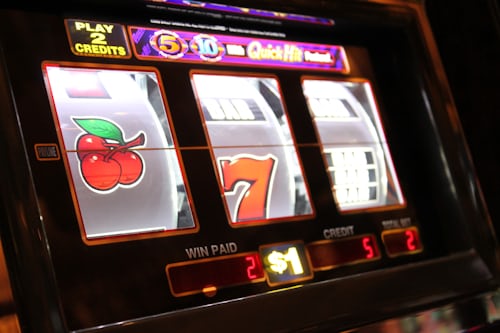
Furthermore, games that incorporate near-miss scenarios, where players come close to winning but ultimately do not, can heighten engagement. This creates a psychological phenomenon known as “loss chasing,” where players believe they are just one spin or hand away from hitting it big. The more often players experience these near-misses, the more they feel compelled to continue playing, convinced that success is just around the corner. This dynamic can lead to extended play sessions, as players become increasingly invested in the game’s outcome.
In addition, the randomness of game outcomes contributes to this addictive quality. The uncertainty of the results keeps players on the edge of their seats, as they cannot predict when a big win might occur. This unpredictability creates a cycle of play that is hard to break, drawing players back to the games again and again due to the excitement and anticipation of potential rewards. This intricate balance of reward mechanics effectively captures players’ attention and sustains their engagement over time.
The Role of Game Design
Game design plays a critical role in fostering addiction, with aesthetics, sound, and interactivity all carefully curated to hook players. Attractive graphics and captivating themes can transport players into an immersive experience that resonates with their desires and fantasies. For instance, a pirate-themed slot machine not only provides visual appeal but also taps into the excitement of adventure and treasure hunting, making it more than just a game but a captivating story that players want to be part of. This immersive storytelling aspect can create emotional connections, further enhancing the desire to play.
Moreover, sound effects and music significantly enhance the gaming experience. The jingles, celebratory sounds of wins, and other auditory cues can trigger emotional responses, blending excitement with sensory engagement. This multisensory approach not only keeps the player entertained but also reinforces the connection between playing and winning, making the gameplay experience resonate on a deeper level. For example, the sound of coins cascading down a slot machine can evoke feelings of joy and success, solidifying the association between sound and reward.
The introduction of gamification elements, such as levels, leaderboards, and achievements, serves to further engage players. By incorporating a sense of progression and competition, game designers make it more enticing for players to keep coming back. When players feel they are progressing, whether through experience points or unlocking new features, it deepens their investment in the game and solidifies their routine of play. This sense of accomplishment is crucial for maintaining interest and encouraging prolonged engagement with the game.
Social Interaction and Community
Social interaction within casino environments can significantly contribute to the addictive nature of games. Many modern casino games allow for multiplayer modes and chat features that foster a sense of community among players. This social aspect can create a form of validation and support, enhancing the overall experience. As players share their victories and strategies, they form bonds with one another, which can encourage them to return for the social engagement as much as the gameplay. These connections can create a sense of belonging, making the gaming experience feel more fulfilling.
Furthermore, the competitive spirit can drive players to engage more with games, as they strive to outdo their friends or fellow players. Tournaments and leaderboards amplify this competitive edge, motivating players to continue playing to achieve higher ranks or to win prizes. This blend of social interaction and competition can lead to an addictive cycle, as players become both personally and socially invested in their gaming experiences. The thrill of competition can keep players returning, driven by the desire to improve and succeed.
The integration of social media can also play a role in reinforcing the addictive tendencies of casino games. Shareable moments, such as big wins or achievements, can encourage players to showcase their success online, which in turn may entice others to join in. The community aspect, paired with social validation, amplifies the rewards players feel, making them more likely to continue playing. This external acknowledgment can serve as a powerful motivator, driving players to seek out new gaming experiences and share them with their social circles.
Personal Psychological Factors
The allure of gambling can also be enhanced by personal psychological factors, which intertwine with both the game’s design and social aspects. Individuals may turn to casino games for various reasons, including escapism, stress relief, or as a source of excitement in their lives. For some, the thrill of chance and uncertainty offers a break from routine and the mundane, acting as an exhilarating distraction. This desire to escape can lead players to seek out casino games as a regular source of entertainment, further entrenching their habits.

Moreover, certain personality traits, such as risk-taking tendencies or a need for stimulation, can make individuals more susceptible to the addictive nature of casino games. Those who thrive on adrenaline may find themselves particularly drawn to the high stakes and fast-paced nature of certain games. This intrinsic motivation can create a strong habitual pattern, as these individuals seek out that exhilarating feeling repeatedly. The combination of their personal traits and the game’s design can create a potent mix that feeds into their gaming behavior.
Finally, underlying issues such as anxiety or depression can also play a role in addiction. For some people, the temporary escape that casino games provide might become an unhealthy coping mechanism, leading to increased playtime and more significant emotional investment. Recognizing these personal triggers can help raise awareness about the potential risks associated with gambling and encourage individuals to reflect on their gaming habits. This self-awareness is crucial for promoting healthy gaming behaviors and addressing any underlying issues that may contribute to addiction.
Understanding Responsible Gaming
As the popularity of casino games continues to rise, understanding the importance of responsible gaming is essential. Many platforms now offer tools and resources aimed at helping players manage their gambling habits effectively. Options such as setting deposit limits, timeouts, and self-exclusion play a crucial role in promoting a healthy gaming environment. By empowering players to take control of their gambling experiences, the industry can foster a more sustainable relationship with gaming. These measures are vital for ensuring that players can enjoy gaming without it negatively impacting their lives.
Moreover, education and awareness campaigns are vital for informing players about the signs of gambling addiction. By understanding the psychological mechanisms behind their attraction to these games, individuals can better recognize when their gaming habits may be becoming problematic. Building a community focused on support and awareness can help mitigate the risks associated with gaming addiction. This proactive approach can encourage players to seek help when needed and foster a culture of responsible gaming.
Ultimately, the responsibility lies with both players and operators to ensure a balanced approach to casino gaming. Encouraging healthy gaming habits while creating inviting, entertaining gaming experiences can coexist, leading to a more enjoyable and less harmful gaming landscape. With the right tools and education, players can engage in these games responsibly, appreciating the thrill without succumbing to addiction. This collaborative effort can lead to a more positive gaming environment for everyone involved.

