
Stop Watt Exposed: The Electric Bill Reduction Scam
di yanz@123457 - 2 novembre 2026This piece might include stop watt power saver typographical mistakes, outdated citations, or unintended inaccuracies. Claims regarding potential energy savings, technical specs, or device effectiveness are merely illustrative and shouldn’t be interpreted as guarantees for specific outcomes. Seize this exclusive offer: purchase StopWatt immediately and slash your power bills—all without solar panels, rewiring, or costly upgrades. For large-scale industrial or commercial installations, advanced power factor correction systems are the better choice. StopWatt asserts that it boosts electronic safety and performance through voltage stabilization and surge suppression.
That’s why many people online believe StopWatt is simply another rebranded version of the same old product. You can find nearly identical devices on wholesale marketplaces under names like “electricity saving box.” Same design, same glowing green light, same claims. In plain English, the technology being advertised doesn’t match the promises being made.
The product leverages what’s called Electricity Stabilizing Technology (E.S.T.), allegedly improving voltage regulation, cutting energy waste, and filtering “dirty electricity. Plug into StopWatt now and begin saving immediately—guaranteed risk-free for 60 days. Today’s market isn’t just seeking energy-saving tools but also smart, unobtrusive solutions for tech-forward homes.
User testimonials from forums and third-party retailers highlight reduced bills, better appliance function, and greater peace of mind from using StopWatt. Many users report slight electricity bill reductions and note fewer device overheating issues and voltage inconsistencies. Essentially, StopWatt relies on basic electrical principles like surge protection, voltage stabilization, and fundamental power factor correction. Skeptical reviews and reports dismiss StopWatt as a gimmick or outright fraud. Despite skepticism, “dirty electricity filter” remains a popular buzzword among eco-conscious consumers interested in smart home tech. Conversely, engineers and regulatory bodies argue that peer-reviewed studies rarely confirm measurable energy savings from dirty electricity filters.
Does StopWatt reduce electricity bills?
The budget electrical components inside StopWatt fail to deliver the exaggerated electricity bill reductions advertised. The StopWatt website features entirely fabricated testimonials and stock images of fake customers. In truth, the product delivers none of its promised benefits meaningfully.
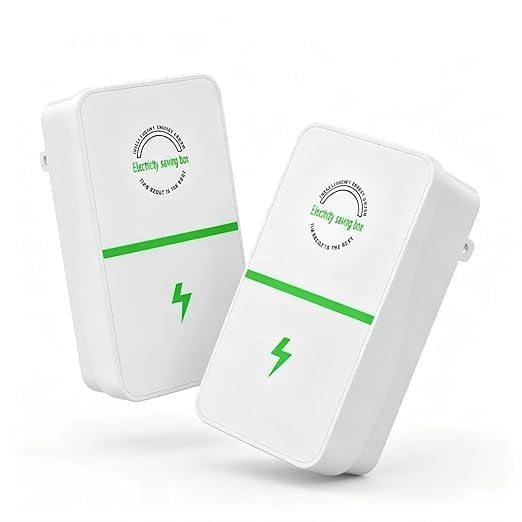
**How to Spot Counterfeit Energy-Saving Gadgets**
Each device promises to cut electricity bills by anywhere from 30% to 90%. Full responsibility for product performance, safety, and compliance lies with the manufacturer or retailer. Buyers are advised to verify all claims with the official manufacturer and check return policies, warranties, and pricing directly from the seller.
From flickering lights to overheating devices and increased energy drain, dirty electricity can quietly erode both your equipment and your budget. Unfortunately, the solutions often proposed—solar installations, new appliances, or home remodeling—can require thousands of dollars upfront, making them inaccessible to many. StopWatt is marketed as the best energy-saving device currently available, with bold claims that it lowers monthly electric bills, filters out “dirty electricity,” and optimizes household energy flow. Traditional solutions—such as upgrading to energy-efficient appliances or investing in solar panels—can be effective. As the home started drawing more power, the unit felt underpowered, and longer sessions left the housing warmer than we like for something left plugged in all day. Bigger homes or heavier appliance loads will likely need more than one unit.
Though power factor correction is scientifically sound, its residential application via plug-in devices like StopWatt remains widely debated. Utilities typically bill residential customers based on kilowatt-hours consumed, not power factor. In home settings, however, power factor correction often yields negligible benefits. StopWatt is a compact plug-in energy-saving device designed to enhance efficiency in homes and small offices. Many homeowners remain unaware of poor power quality issues, which can lead to hidden costs.
Purchase options and add-ons
Residential billing structures differ significantly from industrial pricing models, making direct comparisons misleading. Trustworthy brands don’t rely on fake celebrity endorsements to sell their products. Shady online sellers exploit this tactic by associating their products with recognizable brands or shows to build false credibility. Most ads avoid technical details because explaining real household electricity mechanics undermines their exaggerated claims.

Actual savings depend on standby devices, usage habits, and how effectively the device moderates power draw without affecting active device performance. With a broad voltage range of 90V to 250V, this device is versatile for various residential electrical systems. It aids in voltage fluctuation management and safeguards commonly used household appliances.
Electrical engineer Gregory Hansen has spent over a decade testing plug-in home devices to measure their real-world performance. You plugged in a small device promising cleaner electricity—only to see your bill unchanged from last month. A simple plugged-in box won’t magically halve your electricity costs. Effective solutions work because they reduce measurable energy use, not through vague promises. The same device appears under different names across low-cost online marketplaces.
These energy-saving devices may expose your home and personal data to risks. The LED indicator and capacitor serve as misleading visual cues while justifying inflated prices. The LED light merely gives the illusion that the device is actively functioning when plugged in. Essentially, these are cheap components with no real energy-saving benefits, designed to mislead buyers. If you do receive anything, it’s likely just a plastic casing with a capacitor and an LED light. The product page is slickly designed with fake reviews, exaggerated claims, and limited-time deals to push purchases.
A link at the bottom redirects readers to an e-commerce site selling the device. It falsely claims Elon Musk has unveiled a new device to help everyday users combat high energy bills. These sites rank high in search results through aggressive SEO tactics for terms like “Elon Musk electricity device. The articles contain errors, broken links, and sensational headlines like *”Elon Musk Destroys Utility Companies With New Invention.”* To lend credibility, fake articles mimic reputable outlets like *CNN, Fox News, Bloomberg,* and *TechCrunch*.

